Travel Planning for Cyclists
Comprehensive guidance for planning your UK cycling adventures efficiently, safely, and enjoyably.
- Step-by-step preparation tips
- Equipment and packing guides
- Route optimization strategies
- Accommodation and support resources
- Local insights and etiquette
- Emergency preparedness advice
Planning Overview: Effective travel planning ensures a smooth and enjoyable cycling experience. From selecting the right routes to preparing equipment and accommodations, careful preparation is key. Consider terrain, weather, and route difficulty to match your skill level.
Route Analysis: Examine elevation profiles, surface types, traffic density, and potential hazards. Note scenic highlights, rest stops, and amenities such as cafés, water points, and repair shops along the route.
Packing Essentials: Lightweight clothing, rain gear, reflective items, repair kits, hydration packs, and high-energy snacks are crucial. Multi-day tours require layered planning for unpredictable weather and terrain.
Navigation Tools: Use GPS devices, smartphone apps, and printed maps. Download offline maps in case of limited mobile coverage. Mark critical points such as fuel stations, rest areas, and scenic viewpoints.
Accommodation & Stops: Identify bike-friendly hostels, B&Bs, or camping grounds. Check for secure bike storage, meal options, and proximity to planned daily segments. Reserve early during peak season to avoid surprises.
Safety & Etiquette: Follow UK road rules, stay visible, signal intentions, and respect pedestrians. Adjust speed for weather, traffic, and fatigue. Familiarize yourself with local cycling culture and practices.
Community & Resources: Engage with local cycling clubs, forums, and HyperNovaDev community content. Share experiences, report route conditions, and gain insights from seasoned riders. Collective knowledge improves route safety and enjoyment.
“Well-prepared rides transform challenges into memorable journeys and lifelong memories.”
Emergency Preparedness: Carry first aid, repair tools, a charged phone, and emergency contacts. Have contingency plans for detours, bad weather, or mechanical issues. Share your route and estimated return with friends or family.
Seasonal Planning: Summer routes may offer longer daylight and better weather but higher traffic. Spring and autumn provide quieter roads but require weather monitoring. Winter touring is possible with suitable gear and shorter distances.
Extra Tips: Keep a travel journal or photo log for each route. Note surface conditions, scenic points, and fatigue levels. This helps refine future trips and assists other cyclists in planning.
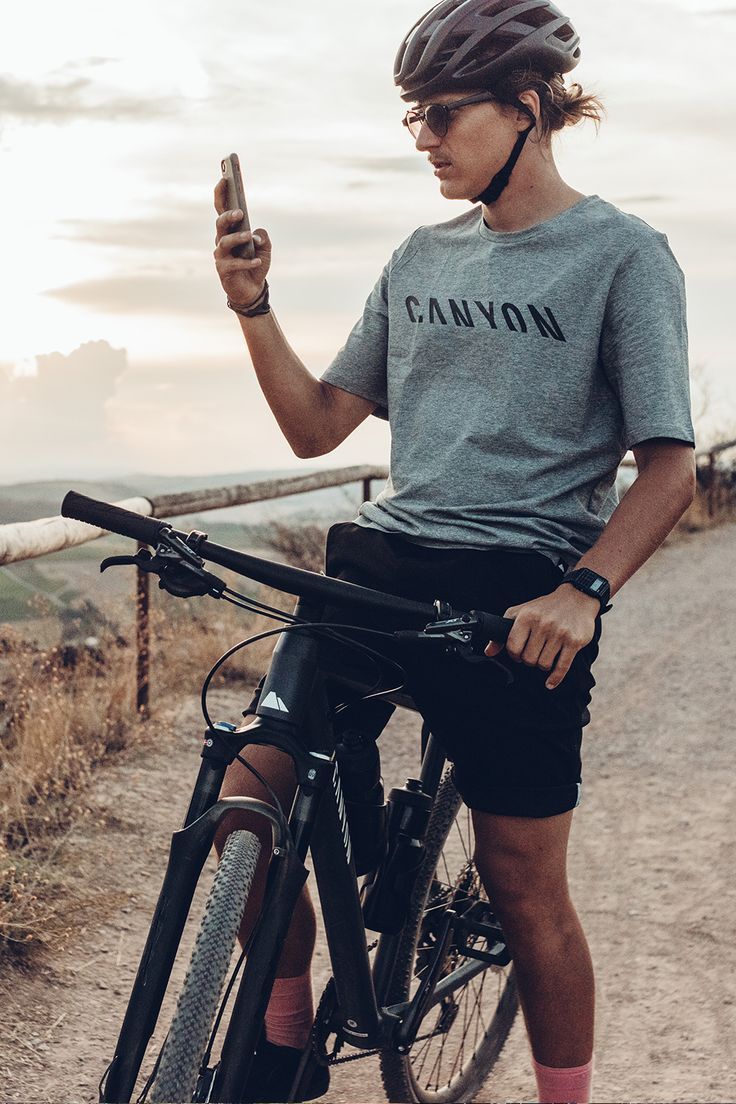
Step-by-Step Planning
Organize your trip like a pro-
Choose your region
Select an area that matches your terrain preference, seasonal considerations, and personal skill level.
-
Evaluate routes
Check distance, elevation, road surfaces, and traffic density. Consider scenic value and local amenities.
-
Plan logistics
Arrange accommodation, food, and rest stops. Prepare a packing list and essential repair tools.
-
Schedule your days
Break routes into manageable daily segments, accounting for terrain, fatigue, and sightseeing opportunities.
-
Check weather & safety
Review forecasts, check seasonal hazards, and ensure safety gear and communication devices are ready.
Essential Equipment
Be prepared for any rideBikes & Gear
Choose a touring, road, or gravel bike suitable for your routes. Equip with lights, fenders, and panniers.
Navigation Tools
GPS devices, maps, and route notes help maintain efficiency and avoid wrong turns.
Clothing & Safety
Weather-appropriate layers, helmets, gloves, and reflective gear ensure comfort and protection.
Repair & Maintenance
Carry spare tubes, tools, and knowledge for common repairs on the road.
Accommodation & Stops
Where to rest along your journeyBike-friendly inns
Local inns and B&Bs with secure bike storage and cyclist amenities.
Camping & Hostels
Affordable options for self-supported multi-day tours, close to scenic routes.
Refreshments & Essentials
Cafés, pubs, and small stores along the route for meals, water, and minor supplies.
Safety & Etiquette
Responsible cycling- Follow UK cycling laws and road rules
- Respect pedestrians and local communities
- Maintain visibility with lights and reflective gear
- Ride at a safe speed and account for weather conditions
Ready to Plan Your Adventure?
Use our platform to map routes, prepare equipment, and ensure a safe, enjoyable cycling experience across the UK.
Get Expert Advice